


Smart Buildings

See how your building really works

Wireless sensors measure CO₂, temperature, room occupancy, energy use and water leaks with no new wiring. The data shows you where energy is lost, when rooms need fresh air and where there is a problem.

Free first meetingAcross Greece
Smart BuildingsMeeting room, 3rd floor
Within limits
–
Room CO₂
Min, 60′
–
Max, 60′
–
Battery
–
Signal (RSSI)
–
Sample data · one reading per minuteLast reading: now
Overview

Measurements instead of guesswork

In an office with closed windows, CO₂ rises fast when people gather, and so do tiredness and headaches. Meanwhile, air conditioning runs in empty rooms and a water leak in the basement can go unnoticed for days. Without measurements, you find out about all of this too late.

The LoRaWAN sensors run on batteries and stick to a wall or ceiling, so they fit an existing building with no building work. One gateway usually covers every floor. Where you already have a BMS or Modbus meters, we can connect them to the same dashboard.

What you can monitor

Applications

Air quality

CO₂, temperature, humidity and particulates in offices, meeting rooms and classrooms. A display in the room or an alert when fresh air is needed.

Room occupancy

Presence and people-counting sensors show which rooms and desks are really used. They help you plan space and cut rent.

Energy use

Meters in the electrical panel show consumption per floor or circuit. You see what stays on at night and at weekends.

Water leaks

Floor sensors under water heaters, air conditioners and in basements. You get an alert at the first drop, before the room floods.

Thermal comfort

Temperature per zone, so you can set the air conditioning correctly. Complaints about cold or heat become measurable.

Doors and windows

Contacts on emergency exits, storerooms and windows. You find out if something was left open after hours.
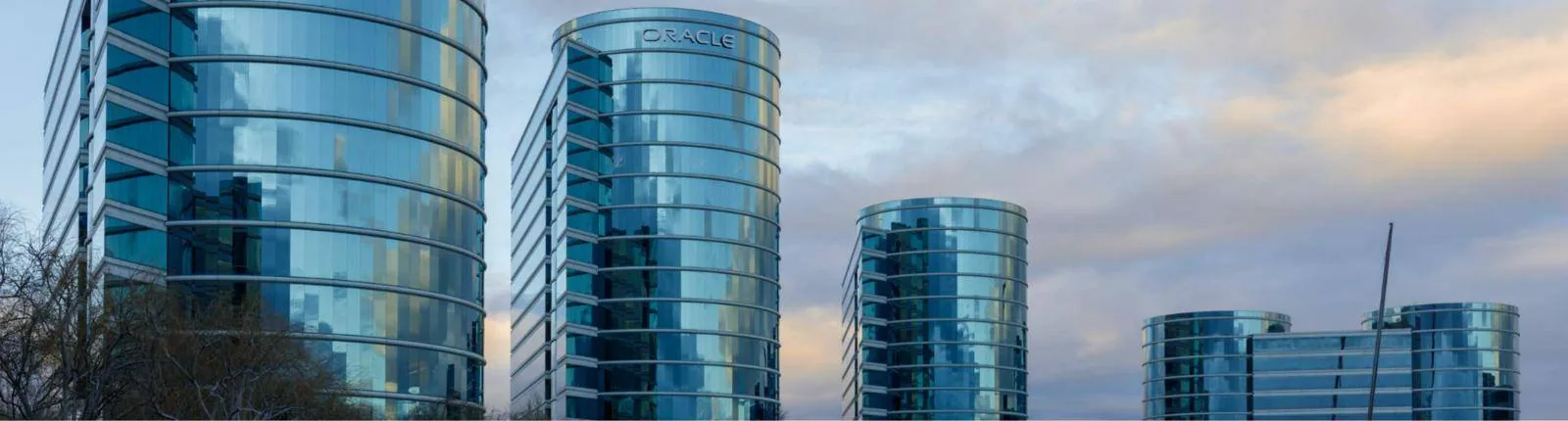
Office buildings with glass façades
Smart BuildingsRoom CO₂ in real time
Equipment

The sensors we install

Wireless and battery-powered, with no cabling. Battery life depends on how often they send readings.

SensorAir quality sensor
MeasuresCO₂, temperature, humidity, and often TVOC or PM2.5
Where it goesOn a wall, at roughly seated head height, away from windowsNDIR CO₂ sensors give reliable readings. Some models have a screen or a light indicator.
SensorPresence sensor
MeasuresWhether a room or desk is occupied
Where it goesOn meeting room ceilings or under desksWe use sensors without cameras, so no faces are recorded.
SensorEnergy meter
MeasuresCurrent, power and kWh consumption
Where it goesIn the electrical panel, per line or floorAn electrician fits it, with current transformers that clip around the cable.
SensorLeak sensor
MeasuresPresence of water
Where it goesOn the floor near water heaters, pipework and in basementsThere is also a version with a sensing cable that covers a longer stretch.
SensorDoor or window contact
MeasuresOpening and closing
Where it goesExternal doors, emergency exits and windowsCombine it with a schedule so alerts fire only outside working hours.
Alerts

Know before damage is done

CO₂ exceeds 1000 ppm in a roomThe display in the room turns red and the building manager gets an alert to ventilate.
Water is detected on the floorAn immediate SMS and push notification go to the facilities manager with the location of the leak.
Out-of-hours consumption is above normalThe manager gets a morning email naming the floor or circuit that used the most.
A storeroom door opens out of hoursThe security lead gets an alert with the time it opened.
How we work

How we start in a building

  1. Visit and goals

    We discuss what concerns you: energy, comfort, leaks or use of space. We record floors, rooms and existing systems.

  2. Sensor plan

    We propose which sensors go where and where the gateway will sit. You can start with one floor as a pilot.

  3. Installation

    Most sensors mount without drilling or cables. An electrician fits the energy meters in the panel.

  4. Dashboard and alerts

    We set up a floor plan of the building with readings for each room, and we define limits and alert recipients.

  5. Review after the first month

    We go through the data with you and find waste, unused rooms and settings that can change.

FAQ

Frequently asked questions

Can't find what you're looking for? Call us or send us a message.

Do I need cables for the installation?
Most sensors run on batteries and communicate wirelessly, so they need no cables. The exception is energy meters, which go in the electrical panel. The gateway needs power and an internet connection.
Why is the CO₂ limit 1000 ppm?
Outdoor air is around 400 to 450 ppm. Indoor values above 1000 ppm are usually taken as a sign of poor ventilation. We adjust the limit to suit the room and your needs.
Do the presence sensors record faces?
No. We use infrared or radar sensors that only show whether there is movement or how many people are in the room. No image is stored and nobody is identified.
Can the system control the air conditioning or lights?
Yes, in many cases. With a suitable actuator or a link to your existing control system, a rule can, for example, switch off the air conditioning when a room is empty. We look at this case by case.
How long do the sensor batteries last?
It depends on the sensor type and how often it sends data. CO₂ sensors use more power than simple door contacts. With a reading every 10 to 15 minutes, batteries usually last a few years.
Does it work with the BMS we already have?
Often, yes. If your BMS or meters support Modbus, BACnet or an API, we can bring their data into the same dashboard or send the sensor readings to the BMS. We need to check the system first.

Start with one floor

A pilot on one floor shows you within a few weeks what the measurements can reveal.