


Per-camera schedules
The terrace camera records and alerts only out of hours. The others record continuously.
We install security cameras for restaurants, cafés and bars across Attica, covering the places where cash and stock go missing: the till, the bar, the back door, the stockroom and the outdoor seating while you are closed. With equipment that copes with steam and grease, and settings that respect customers and staff.
A restaurant or café carries different risks from a shop. Cash moves through two or three points (till, bar, waiters with wallets), stock comes in through the back door every morning, and the terrace furniture stays outside all night. Security cameras for restaurants are planned around those points.
The dining room, while you are open, is where customers eat and talk. Recording there calls for great care, because the Hellenic Data Protection Authority's guidance for food and drink venues focuses on entrances, tills and storage areas, not on the tables.
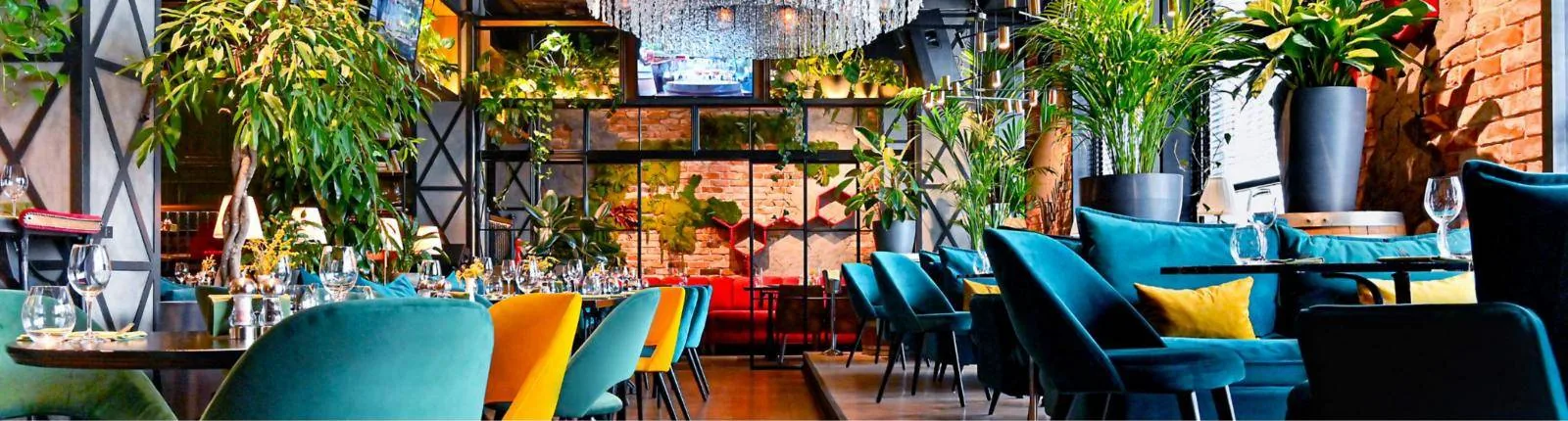
Outdoor tables and chairs, patio heaters and umbrellas are a common target at night. Our approach is a camera with good infrared or colour night vision covering the furniture, with a recording and alert schedule that switches on only outside opening hours.
That way, customers at the tables are not recorded while you are serving, and after closing you get a phone alert if someone approaches the stacked furniture. The street and the buildings opposite are hidden with a privacy mask, because outdoor seating usually sits on public space, for example on pedestrian streets in Psyrri, Koukaki or Glyfada.
Many owners ask for a kitchen camera to check hygiene and procedures. The kitchen, however, is a workplace, and continuously recording cooks to check how they work is generally not allowed. A workplace camera is justified to protect people and property, not to assess staff.
In practice, kitchen points that relate to property can be covered: the cold room door, the delivery entrance, the storage area. For HACCP records there are better tools than a camera: wireless temperature sensors (IoT/LoRaWAN) in fridges and freezers that log continuously and alert you if the temperature rises.
We are not lawyers. If you want a camera at a specific spot in the kitchen, discuss it with your lawyer or GDPR adviser before installation.
In a kitchen, a dishwashing area or a bar with an espresso machine, steam and grease cloud a lens within a few weeks. We choose dome cameras with a smooth cover that is easy to wipe, IP66 or IP67 housings and an operating temperature range suited to the space.
Position matters more than the model: the camera goes away from the extractor hood, the fryers and the dishwasher outlet, never above them. At handover we show you how to clean the dome without changing the viewing angle.
Hospitality often relies on seasonal and part-time staff. Every new employee must be informed about the cameras in writing before they start. Cameras do not go in changing rooms, customer or staff toilets, or the area where staff eat or rest.
Footage is kept for up to 15 days and deleted automatically, unless an incident is recorded, for example a theft or a dispute with a courier over an order. No audio is recorded, even if the camera has a microphone. The information sign goes at the dining room entrance and at the back door.
The terrace camera records and alerts only out of hours. The others record continuously.
A camera at the back door and at the courier hand-off point, for disputes over deliveries and orders.
For fridges and cold rooms, wireless sensors with history and alerts, instead of a camera over the cooks.
IP66/IP67 housings, easy-to-clean domes, positions away from steam and grease.
Cameras, POS, ordering tablets and guest Wi-Fi on different VLANs, so one does not affect another.
We visit in the morning or afternoon before you open, and look at the dining room, bar, kitchen, stockroom, terrace and cable routes.
We mark positions, fields of view and a recording schedule per camera, and which areas must not be covered.
We work during the hours or on the day you are closed, so customers and staff are not disturbed.
Street masks, terrace zones, out-of-hours alerts, automatic deletion at 15 days.
Separate accounts, training on exporting an incident, and a suggested text for informing staff.
Can't find what you're looking for? Call us or send us a message.
From the survey and mounting through to the app on your phone. Cameras that see the spots that matter clearly, record…
See the pageA business alarm you arm from your phone, access cards with a log of every entry and a video intercom. We plan them…
See the pageA business Wi-Fi installation starts with measurements, not with buying equipment. We place access points where they…
See the pageTell us what worries you, whether it is the till, the terrace or deliveries, and we will suggest positions, a recording schedule and what drives the cost. Free site survey in Attica.